


Reading time: 3 minWe have known for years that some foods contain the very precious Omega 3 which bring many benefits to the body, especially to the heart, brain, skin and joints.
Omega-3s are polyunsaturated fatty acids that our bodies cannot produce and must be consumed through the foods we eat. Those richest in omega-3s are: oily fish, nuts, chia and flax seeds, avocados, green leafy vegetables, and eggs.
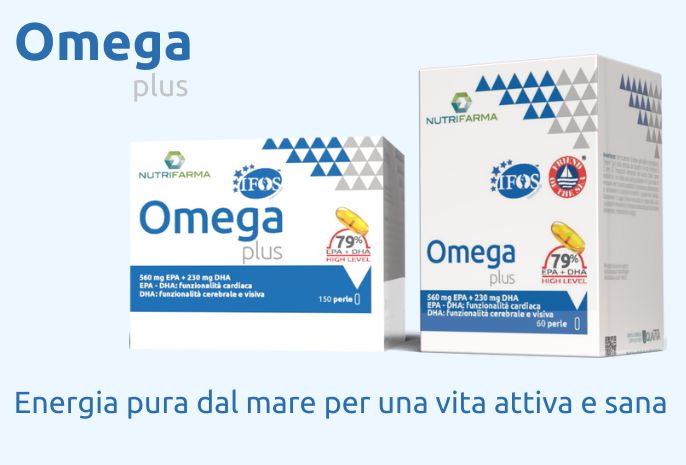

What are the benefits of Omega 3?
Let's look at it specifically, case by case.
Cholesterol
Omega 3 they stimulate the metabolism aiding digestion and helping the body produce leptin, a hormone that decreases appetite.
This mechanism prevents the formation and accumulation of cholesterol, which, in the long run, is dangerous for the cardiovascular system, the heart, and the brain.
Heart health
Omega 3s keep the heart healthy and several international associations have recognized their protective properties. They have the ability to reduce heart disease and reduce triglycerides, regulate blood pressure and reduce the formation of blood clots, which cause heart attacks or strokes.
Joint protection
Many joint pain problems are caused by inflammation, along with weak muscles and everyday wear and tear. Omega 3s are excellent anti-inflammatories and therefore they can be an excellent aid against joint problems.
Furthermore, Omega 3s have the ability to prevent or slow down the progression of theosteoarthritis as fatty acids help reduce the degradation of collagen in cartilage.
Benefits for skin, hair and nails
Even in this case Omega 3, like Omega 6, have an essential role in skin structure because they help maintain the barrier function and prevent dryness.
They are also a great contribution in the prevent acne to delay skin aging. A diet rich in Omega 3 helps protect the skin from damage sun's rays preventing sunburn and erythema.
Hair and nails
Omega 3 also contributes to beauty and hair health Keeping the scalp hydrated and helping prevent hair loss, they nourish the hair, strengthening it and enriching the keratinocytes responsible for hair and nail structure.
Memory and brain diseases
Studies show that there are links between Omega 3 levels, improved memory, and overall brain health.
Fatty acids appear to prevent age-related brain shrinkage as well as protect the brain's cognitive function and, thus, reduce the risk of Alzheimer's.
However, there is no conclusive scientific evidence demonstrating the real benefits for these pathologies.
Benefits of Omega 3 during pregnancy
As mentioned previously, Omega 3s are important for brain health and, when taken during pregnancy, they help with brain development and the development of the child's nervous system.
Furthermore, during breastfeeding they increase milk production and prevent postpartum depression.
What does Omega 3 deficiency mean?
Omega 3 deficiency can manifest itself through various symptoms such as:
- tiredness
- dry skin
- bad circulation
- mood swings
- memory problems
A'correct integration Omega 3 and Omega 6 help relieve the symptoms listed above.
Warnings
It is always recommended contact your doctor Take the right amount because some side effects may occur. Their blood-thinning properties can occasionally cause nosebleeds.
Essential fatty acids are extremely sensitive to heat and prone to oxidation, so they are best obtained from raw, fresh foods or through dietary supplements.


